The Ahmed Kathrada Foundation and Show Racism the Red Card (UK) express our deep concern and unequivocally condemn the alarming surge in racism and discrimination that has marred international football throughout 2026, including during the FIFA World Cup and other international competitions. Rather than witnessing meaningful progress, the global football community has experienced one of the most disturbing waves of racist abuse directed at players, coaches, and supporters in recent history.
According to BBC News, approximately 89,000 abusive posts were identified during the group stage of the 2026 FIFA World Cup alone. This highlights the frightening scale of online hate and discrimination that continues to plague the sport.
Football has long held itself out as a powerful platform capable of transcending borders, cultures, and identities. Yet, the events of this year have once again exposed the persistence of systemic racism within the sport and the inadequacy of existing mechanisms to address it. FIFA has introduced several initiatives intended to combat racism. These include the
establishment of its Anti-Racism Task Force, the Social Media Protection Service, the “No Racism” crossed-arms gesture, and the anti-discrimination protocol commonly referred to as the “Prestianni Law”
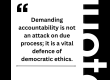
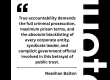
While these initiatives acknowledge the seriousness of the problem, they have failed to produce the systemic change that football urgently requires. Racist abuse has continued with alarming frequency throughout 2026. This demonstrates that symbolic gestures and reactive interventions are insufficient to dismantle entrenched discrimination. As organisations such as Kick It Out have consistently argued, the current disciplinary framework does not create genuine accountability for clubs, federations, supporters, or football authorities. Too often, sanctions remain inconsistent, reactive, and inadequate. This leaves those subjected to racism without meaningful justice while allowing perpetrators and institutions to escape real consequences.
Equally concerning is FIFA’s inconsistent application of its own anti-discrimination commitments. Football cannot credibly claim to stand against racism while selectively enforcing its own regulations. FIFA’s failure in previous tournaments to consistently implement and enforce its anti-discrimination rules—including during tournaments hosted in Russia and Qatar —has severely weakened public confidence. Such inconsistency directly contributes to a culture of impunity that continues to embolden discriminatory behaviour across the global game.
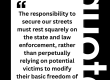
This systemic compromise is further reinforced by administrative decisions that appear fundamentally at odds with universal human rights and constitutional values. FIFA’s decision to bestow its inaugural Peace Award upon political leadership frequently criticised for employing racist, xenophobic, and divisive policies raises serious questions about the organisation’s true priorities. Bestowing such honours risks undermining international anti-racism messages. It sends deeply contradictory signals about what football’s governing body is prepared to tolerate and celebrate.
Racism in football is not simply the product of individual acts of prejudice. It is sustained by institutional failures, inconsistent governance, weak accountability mechanisms, and an unwillingness by leadership to confront discrimination. Until these structural issues are addressed, players—particularly Black players and players from historically marginalised communities—will continue to bear the burden of abuse while institutions issue empty
statements of condemnation.
Words are not harmless. They reinforce prejudice, perpetuate discrimination, and undermine efforts to build a global society founded on dignity, equality, and respect. The fight against racism cannot be reduced to slogans, gestures, or awareness campaigns. It requires courage, consistency, and absolute accountability at every level of the game.
We therefore call on FIFA to:
- Implement mandatory and consistently applied sanctions for racist conduct by supporters, clubs, officials, and national associations, including sporting sanctions where appropriate.
- Establish an independent global anti-racism oversight mechanism with the independent authority to investigate incidents and monitor FIFA’s compliance with its own regulations, aligned with international human rights standards.
- Strengthen protections and support systems for players, coaches, match officials, and supporters who experience racism both inside stadiums and across digital platforms.
- Apply FIFA’s anti-discrimination regulations consistently and without political, national, or commercial considerations.
- Ensure that honours, awards, and public recognition bestowed by FIFA strictly reflect a commitment to human dignity, anti-racism, and equality.
We further call on national football associations, clubs, confederations, sponsors, broadcasters, and governments to recognise that combating racism is a shared responsibility that extends beyond FIFA alone. Silence, inconsistency, and symbolic action only serve to entrench discrimination further.
Sport has the power to unite societies divided by prejudice. However, unity cannot be achieved while racism continues to flourish within football’s institutions and terraces. The credibility of football’s commitment to anti-racism will not be measured by the number of campaigns it launches, but by its willingness to hold individuals and institutions accountable, regardless of their status, power, or influence. The time for symbolic commitments has long passed. Football must now demonstrate that there is truly no place for racism in the beautiful game.
END
— — —
Issued by:
The Ahmed Kathrada Foundation: Contact Anele Gcwabe anele@kathradafoundation.org
Show Racism the Red Card: Contact Aksa Ghaffar aksa@theredcard.org
View Show Racism the Red Card’s Website HERE